Kousání a zuby: jak ovlivňuje vaši ústní hygienu a zdraví
When you chew, you’re not just eating—you’re triggering a chain reaction in your mouth that can either protect your teeth or slowly destroy them. kousání, proces, při kterém se jídlo mechanicky rozděluje zuby a slinami. Also known as žvýkání, it’s the first step in digestion, but also a major factor in how your teeth, gums, and enamel hold up over time. If you chew mostly on one side, grind your teeth at night, or bite into hard things like ice or nuts with your front teeth, you’re putting stress where it shouldn’t go. And over time, that stress turns into cracks, worn enamel, or even loose teeth.
Bad chewing habits directly feed zubní plak, tenká, lepkavá vrstva bakterií, která se tvoří na zubech po jídle. When you chew sugary or sticky foods, those bacteria get fuel—and they produce acid that eats away at your enamel. If you don’t brush well after, that plak hardens into zubní kámen, tvrdý, vápenný nános, který už neodstraníte kartáčkem. And once it’s there, it irritates your dásně, měkké tkáně kolem zubů, které chrání kořeny a podporují zuby. Red, swollen, bleeding gums? That’s not normal—it’s your body screaming that the plak has turned into something dangerous.
Even something as simple as how you bite into an apple matters. If you use your front teeth to tear into hard foods, you risk chipping your zubní sklovinu, tenká, ale pevná vrstva, která chrání zub odvnějšku. A tiny crack might not hurt now, but it lets bacteria sneak in—and soon you’re facing sensitivity, infection, or worse. Many people don’t realize that their jaw pain, worn-down teeth, or sudden tooth sensitivity all trace back to how they chew.
You don’t need perfect chewing to keep your teeth healthy—but you do need awareness. Chew evenly on both sides. Avoid using your teeth as tools. Limit sticky snacks. And if you grind your teeth at night, talk to your dentist—there are simple mouthguards that can save you thousands in repairs later.
Below, you’ll find real-life guides on how plaque builds up, why gum bleeding is a red flag, how to protect your teeth after damage, and what to do when your enamel starts to crack. These aren’t theoretical tips—they’re from people who’ve been there, fixed it, and learned the hard way. What you read here could stop you from needing a root canal, a crown, or even an implant down the line.
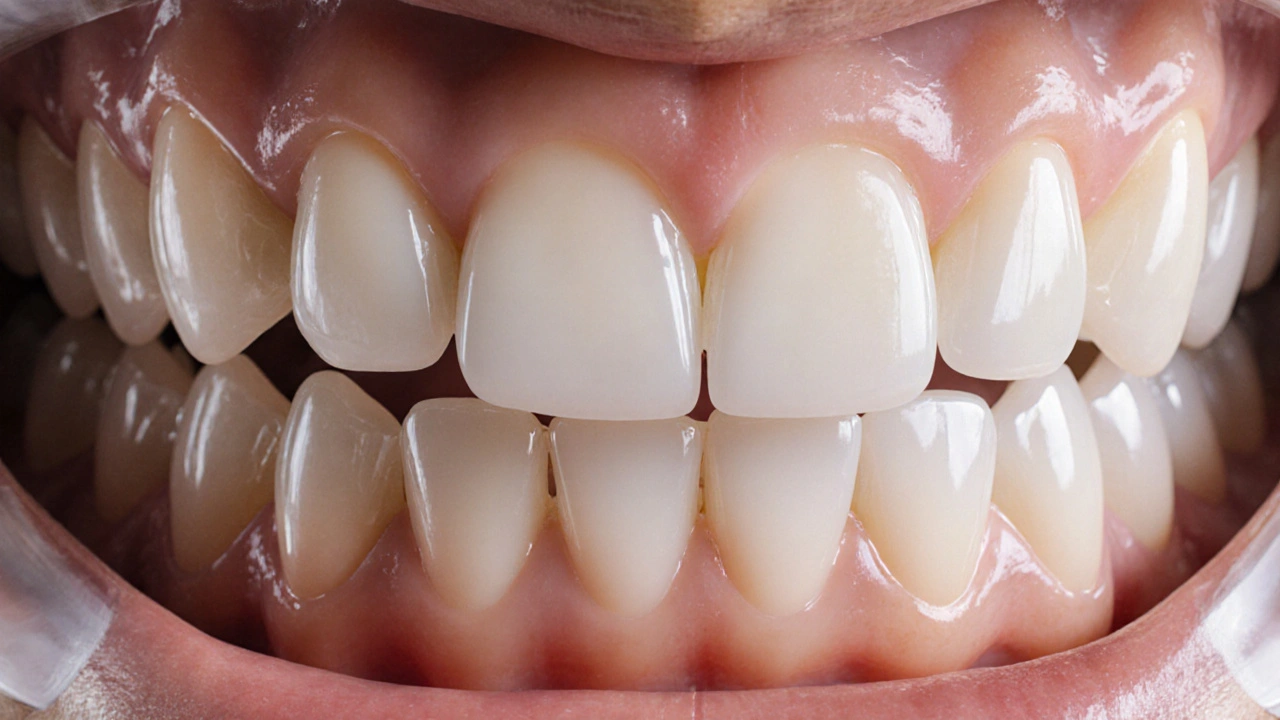
Jaké typy zubů jsou nejlepší pro kousání a žvýkání? Praktický průvodce podle funkce
•6 lis 2025
Zjistěte, jaké typy zubů jsou nejlepší pro kousání a žvýkání a proč je každý z nich důležitý. Pochopte funkci řezáků, špičáků a molárů a jak jejich ztráta ovlivňuje trávení a zdraví.