Plán regenerace po zubním implantátu
Zadejte datum zákroku pro získání aktuálního stavu hojení.
Aktuální fáze hojení
Den 0Vyberte prosím datum operace.
Doporučení pro tento den:
⚠️ Kdy zavolat lékaře?
Pokud pozorujete některý z následujících příznaků, kontaktujte svého stomatologa v Liberci nebo jiném městě okamžitě:
- Nesmyslné krvácení trvající déle než 1 hodinu po stlačení gázy.
- Teplota nad 38 °C (podezření na infekci).
- Otoky, které se zhoršují po 4. dni.
- Trvalé znecitlivění rtu nebo brady po 24 hodinách.
Vybroušený zub nebo chybějící korunka mohou změnit váš život k horšímu, ale rozhodnutí pro zubní implantát je jen první krok na cestě ke zdravému úsměvu. Pravá výzva nastává v prvních dnech a týdnech po zákroku. Mnoho pacientů si myslí, že jakmile stomatolog vyndá nástroje, může okamžitě žít normálním životem. Opak je pravdou. To, jak se budete chovat bezprostředně po operaci, přímo ovlivní, zda se titanový šroub pevně ukotví do kosti, nebo zda budeš muset celý proces opakovat.
Jako someone who sees patients in Liberec every day, I know that fear from pain or complications is common. But let's be honest: most problems arise not from the surgery itself, but from ignoring simple rules during recovery. This guide will walk you through exactly what to expect, what to eat, and how to clean your mouth so your new tooth lasts for decades.
První hodiny: Klid a ledování
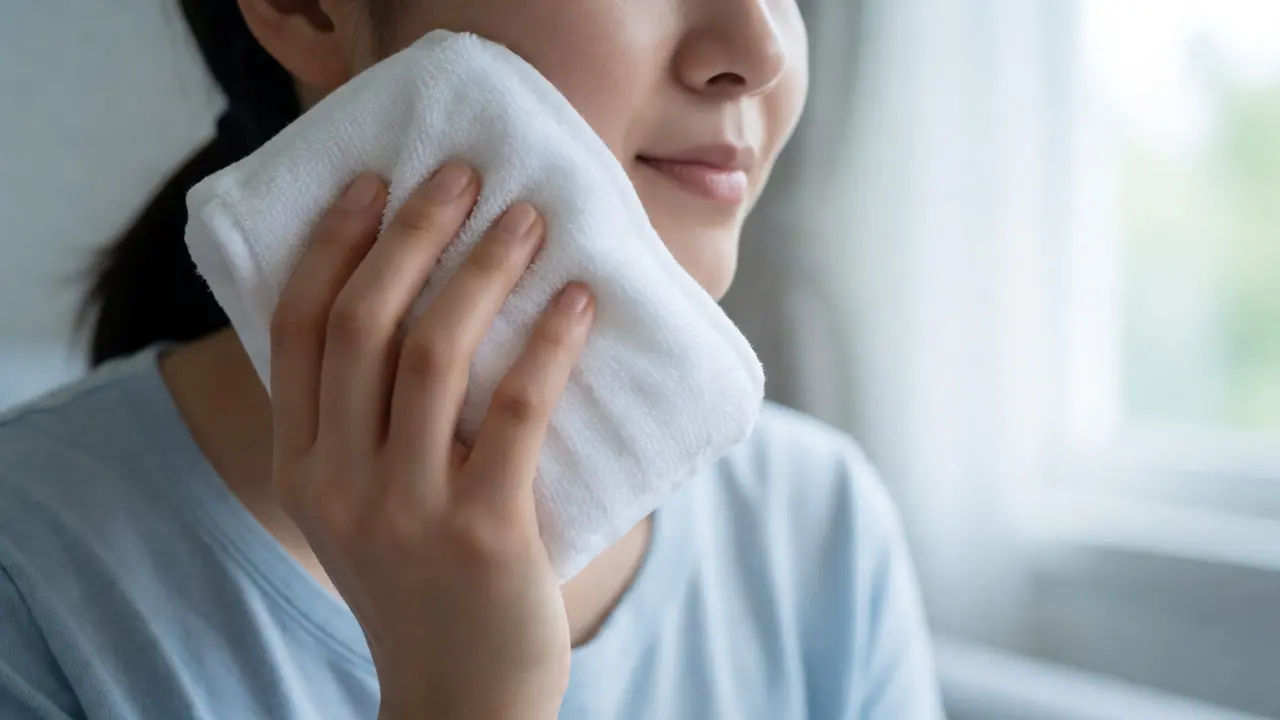
Just after leaving the dental office, your body enters an inflammatory phase. It’s normal. You might feel throbbing pain or see some swelling. The golden rule here is cold. Apply an ice pack wrapped in a thin towel to the cheek over the surgical site. Do this for 15 minutes on, then 15 minutes off. Never apply ice directly to the skin; it can cause burns. This reduces blood flow to the area, minimizing swelling and bruising.
Avoid spitting vigorously. Seriously, don’t spit into the sink. Spitting creates negative pressure in your mouth, which can dislodge the blood clot forming in the socket. If that clot moves, you risk a painful condition called dry socket. Instead, let saliva drool out gently or wipe it with a tissue. Also, no straws. Sucking action does the same damage as spitting.
Jídlo a pití: Co jíst a čemu se vyhnout
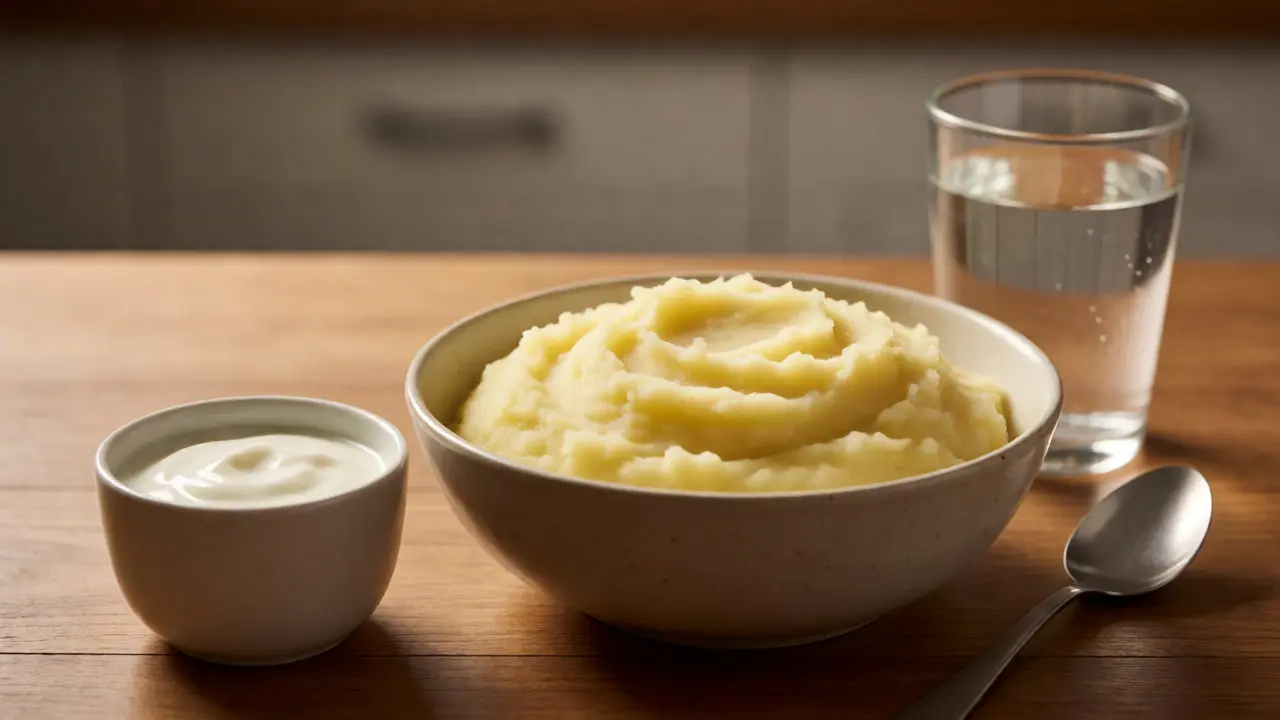
Your mouth needs fuel to heal, but not just any fuel. For the first 24 hours, stick to cool, soft foods. Think yogurt, smoothies (eaten with a spoon, not a straw), mashed potatoes, or lukewarm soup. Avoid anything hot, spicy, or acidic. Hot liquids increase blood flow and can restart bleeding.
| Kategorie | Vhodné (první 3-7 dní) | Nevhodné (riziko komplikací) |
|---|---|---|
| Teplota | Pokojová teplota, mírně vlažné | Horká polévka, horká káva, čaj |
| Konzistence | Kaše, jogurty, jemné pyré | Ořechy, popcorn, tvrdé pečivo |
| Chutě | Mírné, neutrální | Pálivé koření, citrusové šťávy |
Once the numbness wears off, you can gradually introduce more solid foods, but chew on the opposite side of your mouth. Give the implant site peace. If you have nalepovací zuby or temporary crowns attached to the implant, avoid sticky candies like caramel or gum entirely. They can pull the temporary restoration right off.
Hygiena: Jak čistit zuby bez rizika
You might wonder, "Should I brush my teeth at all?" Yes, absolutely. Bacteria love wounds. However, technique matters. For the first 24 hours, skip brushing near the surgical site. Rinse gently with warm salt water (half a teaspoon of salt in a glass of warm water) after meals. This cleans debris without disturbing the clot.
After the first day, use a soft-bristled toothbrush. Brush your other teeth normally, but when you approach the implant area, be extremely gentle. Many dentists recommend chlorhexidine mouthwash (like Curasept or PerioChip) for the first week. Use it twice daily, but don’t swallow it. It stains teeth temporarily, but it kills bacteria effectively where your brush can’t reach.
- Den 1: Žádné kartáčování operačního pole, pouze jemné kloktání solným roztokem.
- Den 2-7: Jemné kartáčování měkkým kartáčkem + antibakteriální výplach.
- Po 1 týdnu: Postupný návrat k běžné hygieně, včetně mezizubních kartáčků (pokud jsou dostupné).
Bolest a léky: Kdy brát prášky?
Pain is subjective. Some people barely feel it; others need medication. Take prescribed painkillers before the anesthesia fully wears off if possible. Don’t wait until you’re screaming in pain. Ibuprofen is often recommended because it reduces inflammation, unlike paracetamol which only blocks pain signals. However, always follow your dentist’s specific advice regarding antibiotics. If they prescribe them, finish the whole course, even if you feel fine.
Avoid aspirin unless directed by your doctor. Aspirin thins the blood and can prolong bleeding. If you experience slight bleeding on the first night, bite down firmly on a sterile gauze pad for 30-60 minutes. Keep your head elevated while sleeping-use an extra pillow. Lying flat increases blood pressure in the head and can make throbbing worse.
Životní styl: Kouření a fyzická aktivita
If you smoke, this is the hardest part. Nicotine constricts blood vessels, reducing oxygen supply to the healing bone. Studies show smokers have a significantly higher failure rate for implants. Ideally, stop smoking for at least two weeks before and four weeks after surgery. If you can’t quit completely, reduce intake drastically. Vaping isn’t a safe alternative either; the heat and chemicals still irritate the gums.
Skip the gym for a few days. Heavy lifting raises your blood pressure, which can trigger bleeding at the surgical site. Light walking is fine, but avoid saunas, steam rooms, and intense cardio for at least 3-5 days. Let your body focus its energy on healing, not sweating.
Kdy zavolat lékaře? Varovné signály
Some discomfort is normal. Severe issues are not. Watch for these red flags:
- Excessive bleeding: If bright red blood continues flowing after biting on gauze for an hour.
- Fever: A temperature above 38°C suggests infection.
- Swelling peaks late: Swelling should peak around day 2-3 and then decrease. If it gets worse after day 4, call your dentist.
- Numbness: If tingling in your lip or chin persists beyond 24 hours, nerve irritation may have occurred.
In Liberec, local clinics usually provide emergency contact numbers for post-op questions. Don’t hesitate to use them. It’s better to ask a “dumb” question than to ignore a developing complication.
Dlouhodobá péče: Aby implantát vydržel
Once healed, an implant doesn’t get cavities, but the gums around it can get infected-a condition called peri-implantitis. Prevent this by flossing daily and using interdental brushes. Regular check-ups with your dentist are non-negotiable. Professional cleaning removes tartar that home care misses.
Remember, an implant is an investment. Treat it well, and it will serve you for life. Neglect it, and you’ll face expensive repairs. Start today with small habits: gentle brushing, healthy eating, and regular visits.
Jak dlouho trvá hojení zubního implantátu?
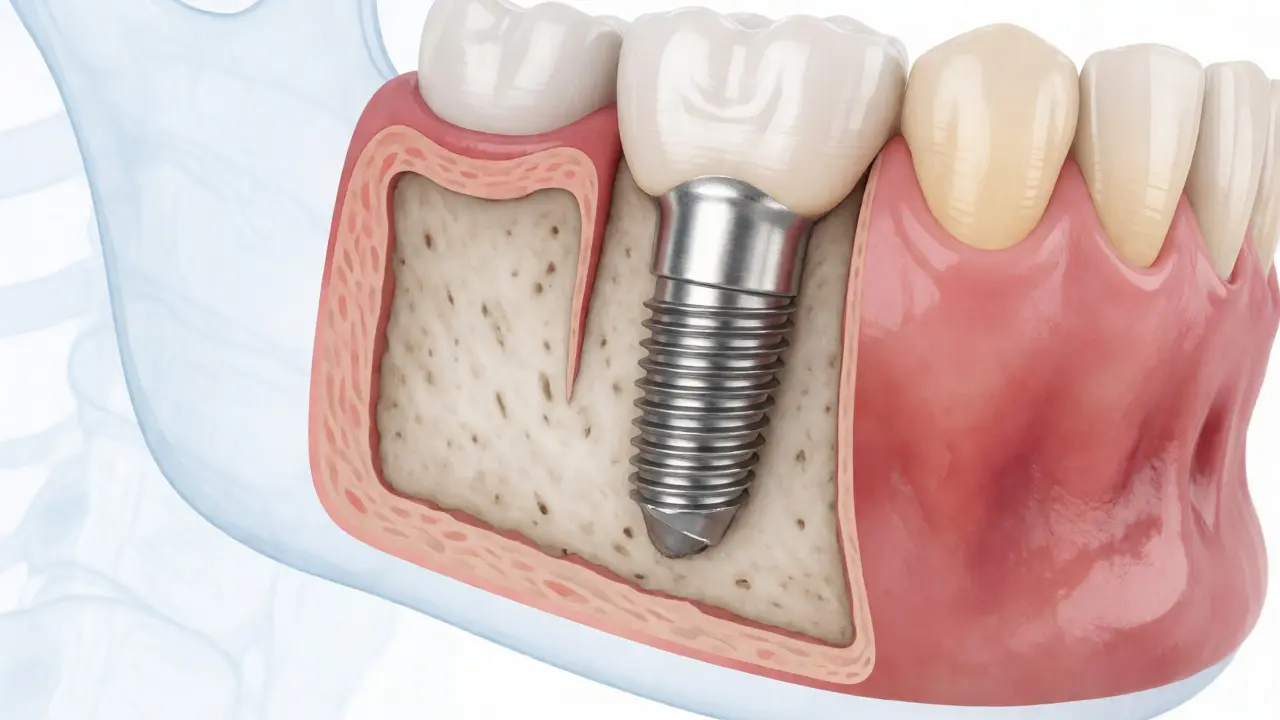
Soft tissue healing takes about 1-2 weeks. However, osseointegration-the process where the titanium screw fuses with the jawbone-takes 3 to 6 months. Only after this period can the final crown be placed.
Mohu pít alkohol po implantaci?
Avoid alcohol for at least 48-72 hours. Alcohol dehydrates the body, interferes with medications, and can increase bleeding risk. It also delays the immune response needed for healing.
Je normální mít otoky po zákroku?
Yes, swelling is a natural inflammatory response. It usually peaks on the second or third day and then subsides. Using ice packs early helps minimize it. Bruising on the cheek is also common and fades within two weeks.
Kdy mohu začít cvičit?
Light activity is okay after 2-3 days. Avoid heavy weightlifting or high-intensity interval training for at least one week. Increased heart rate and blood pressure can disrupt the healing clot and cause bleeding.
Co dělat, když mi vypadne provizorní zub?
Don’t panic. Save the piece and call your dentist immediately. In many cases, they can re-cement it quickly. Avoid chewing on that side until you’ve seen the professional.